
Medical Blog Articles
Explore evidence-based homeopathic insights and articles from our expert practitioners
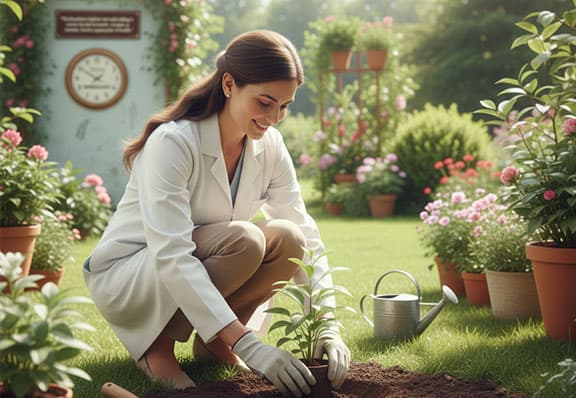
Aphorism - 4, (Physician likewise a preserver of health) duty of physician apart from the cure.
Dr. Hahnemann, in Aphorism 4, addresses the physician, emphasizing that cure is not the sole mission of the physician. The physician must also take up the noble task of being a preserver of health. It is the physician’s duty to continue working in the direction of identifying the factors responsible for illness within the community, and to strive to remove them both from individuals and from society at large. Thus, this aphorism is dedicated to the principles of community medicine.

Aphorism - 3, (Ascertaining Power of the Physician, Must Ensure the Cure)
In this aphorism, Dr. Hahnemann addresses the physician, emphasizing the essential qualities required to ensure a permanent cure. The physician must possess the ability to perceive what is curative in the sick individual (knowledge of disease indications). He must also understand the curative power of medicines, grasp how this healing power should be adapted to the specific sickness, and finally, remain aware of the possible hindrances to cure.

Bronchitis in Kids: Signs, Treatment, and Prevention
Bronchitis in children, particularly those under five years of age, is quite common. The suffering of a young child often causes significant anxiety for parents. Homeopathy offers a gentle, safe, and effective approach to treatment. By keeping a few essential remedies in your homeopathic kit, you can manage such situations with greater confidence and calm. Homeopathic medicines have been shown to work safely and effectively, providing relief without harmful side effects.
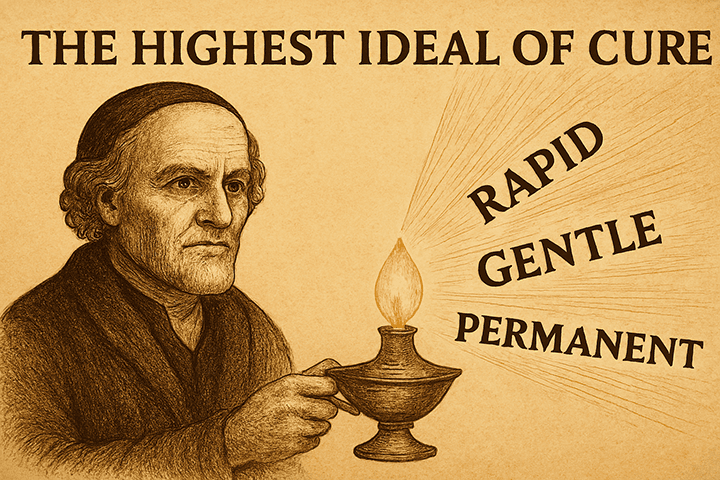
Aphorism - 2, “Hahnemann’s Vision about the highest ideal of cure” (avoidance for unwanted medicinal aggravation)
In Aphorism 2 of the Organon of Medicine, Hahnemann sets forth his vision of the physician’s mission: the highest ideal of cure. He insists that true healing must be rapid, gentle, and permanent, restoring health in its entirety without inflicting new suffering. This principle is not merely technical but profoundly ethical. To cure is not enough—the manner of cure must respect the patient’s dignity and avoid unnecessary aggravation. Hahnemann’s emphasis on gentleness was revolutionary in his time, when harsh purgatives, bloodletting, and massive doses often worsened disease. By contrast, he envisioned a medicine that works with precision, using the smallest dose necessary to stimulate recovery. In this way, the physician becomes not a tormentor but a restorer, guiding nature toward balance without violence. Thus, Aphorism 2 is more than a clinical directive; it is a moral compass. It reminds us that the physician’s art is measured not only by the disappearance of symptoms but by the absence of harm in the process of healing. The highest ideal of cure is a union of efficacy and compassion—a cure that is swift, certain, and enduring, yet free from unwanted medicinal aggravation.

Belladonna (Deadly Nightshade)
Belladonna, commonly known as Deadly Nightshade (Atropa belladonna), is a perennial herb belonging to the Solanaceae family. Renowned for its striking purple flowers and glossy black berries, the plant has long captivated both healers and historians. Its name, meaning “beautiful lady” in Italian, reflects its historical use in cosmetics, where extracts were applied to dilate pupils for an alluring appearance. Medicinally, belladonna contains potent tropane alkaloids—atropine, scopolamine, and hyoscyamine—that exert anticholinergic effects. These compounds have been employed to relieve muscle spasms, reduce secretions, and manage certain inflammatory conditions, though their therapeutic window is narrow and toxicity risk is high. While modern pharmacology recognizes belladonna derivatives in controlled medical use, the plant itself remains a symbol of the fine line between remedy and poison, embodying the dual nature of nature’s pharmacopeia.
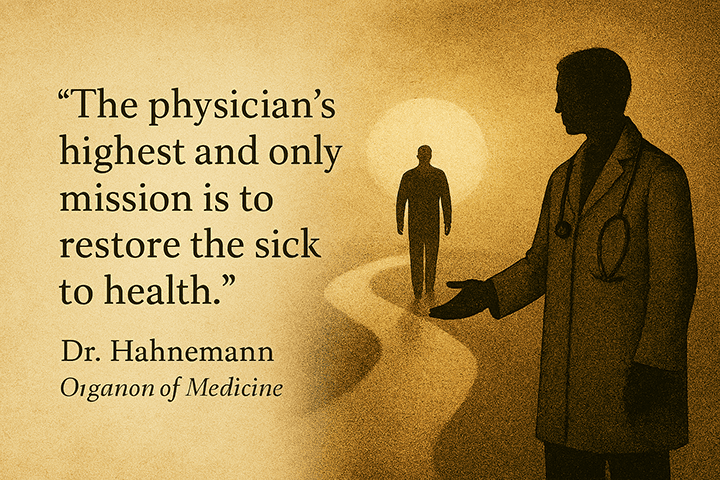
Aphorism - 1, “Hahnemann’s Vision of the True Physician” (True meaning of the “Sick”)
The physician’s high and only mission is to restore the sick to health, to cure as it is termed." This timeless declaration by Dr. Samuel Hahnemann underscores the noble purpose of medicine. The physician is entrusted not with the pursuit of fame, profit, or theoretical speculation, but with the singular duty of healing the suffering humanity. True cure, as Hahnemann envisioned, is not merely the suppression of symptoms but the complete restoration of harmony and vitality. This principle reminds us that medicine must remain patient-centered, guided by compassion and a commitment to genuine healing.
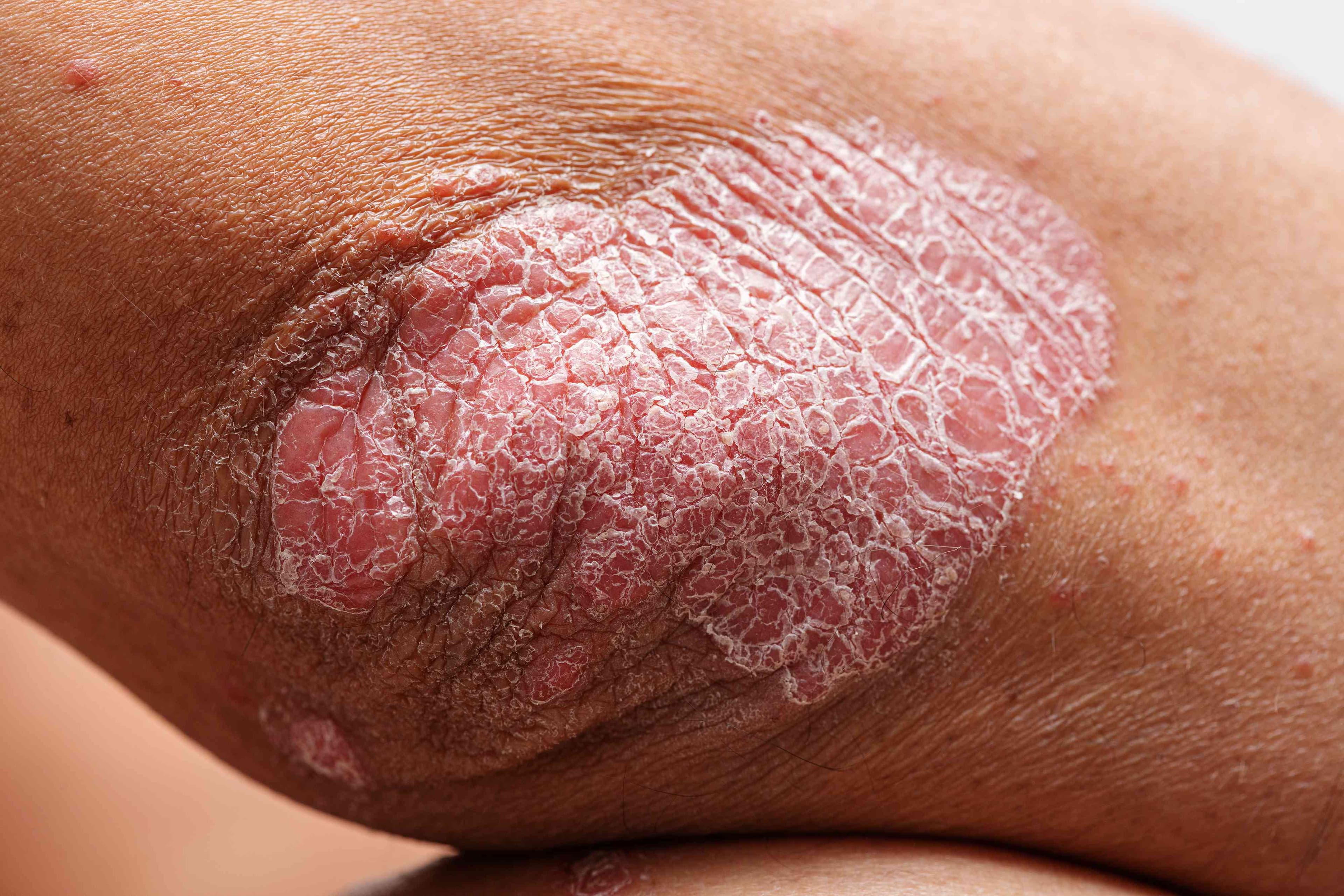
Psoriasis as a Systemic Disease: Insights and Homeopathic Solutions
Psoriasis is more than a skin condition—it is a systemic autoimmune disorder that affects the skin, nails, joints, and overall well‑being. Conventional medicine views it as a chronic, incurable disease that can only be managed symptomatically. Homeopathy, however, offers a holistic approach, emphasizing treatment of the patient rather than isolated body parts. The condition commonly appears on the knees, elbows, scalp, and trunk, but can spread to other areas including the face and nails. Symptoms range from red, scaly patches and cracked skin to joint pain in psoriatic arthritis. Importantly, psoriasis is non‑contagious, though it creates a predisposition in those exposed to psoric tendencies. Homeopathic remedies such as Sulphur, Bryonia, Kalium Bichromicum, Calcarea Carbonica, and Rumex have shown promising results when prescribed according to individual symptoms. Alongside medical care, lifestyle management—balanced nutrition, stress reduction, and avoidance of triggers—plays a vital role in improving quality of life. Psoriasis challenges both body and mind, but with awareness, holistic treatment, and consistent care, patients can live fulfilling lives despite the condition
Stay Updated with Latest Research
Get weekly digests of new articles, case studies, and homeopathic insights delivered to your inbox
By subscribing, you agree to our Privacy Policy. Unsubscribe anytime.