HomeoEra
Back to Blogs

Redirect of vital force: post-operative diarrhoea Cured by Benzoic acid.

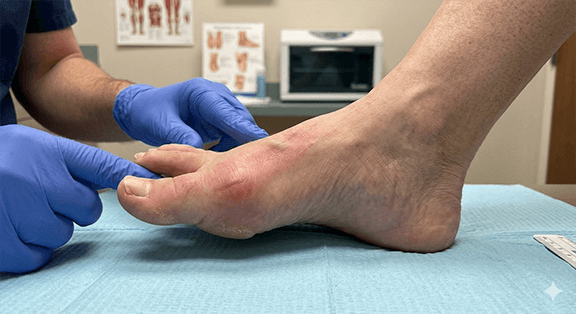
A female patient with a long-standing history of knee joint pain, unrelieved by homoeopathic treatment, ultimately underwent surgical intervention. Post-operatively, she developed persistent diarrhoea, with a striking modality of aggravation between 4–8 p.m. This new symptom complex was accompanied by the formation of a bunion on the right toe joint. The emergence of these fresh symptoms indicated a redirection of the vital force, manifesting in a new pathological expression. Careful analysis of the modalities and concomitants led to the prescription of Benzoic acid 200, administered as a single dose. The patient responded with complete recovery, confirming the appropriateness of the remedy selection. This case illustrates the dynamic nature of symptom evolution following surgical intervention and highlights the importance of perceiving the altered flow of vitality in remedy choice.

H

Deals with Chronic diseases

Updated 3 min read1099 views
Redirect of vital force:  post-operative diarrhoea Cured by Benzoic acid.

Case report: Redirection of Vital force

Case Illustration: Vital Force and Symptom Emergence:

This case illustrates the fundamental principle emphasized by Dr. Hahnemann: disease is not merely a disorder of body parts or organs, but a manifestation of derangement in the vital force. The following account demonstrates how new symptoms emerged after surgical intervention, guiding the selection of the appropriate remedy. As Dr. Hahnemann stated, “Treat the sick, not the disease.” Disease itself is nothing more than the result of a distracted or deranged vital force.

From the beginning, this was essentially a case of Benzoic acid, yet the symptoms were indistinct, making remedy selection impossible. After surgery, however, the vital force redirected itself, and a clearer symptom picture emerged—precisely indicating Benzoic acid. This highlights a crucial fact: symptoms alone do not always furnish the true picture of disease. There is something deeper behind symptomatology that remains beyond our current understanding.

Furthermore, this case demonstrates that surgery is not a definitive solution. When the primary seat of disease is removed surgically, the vital force will inevitably redirect, producing a new set of symptoms at another location. This dynamic was clearly observed here, reinforcing the principle that the true seat of disease lies in the derangement of the vital force, not in the physical organ itself.

Patient Background:

The patient is a 65‑year‑old lady from a respected family in the city. She had been under my care for chronic knee joint pain, diagnosed as synovitis. Despite prolonged homoeopathic treatment, her condition did not improve, and she eventually opted for surgical management.

Surgical Intervention:

A knee replacement surgery was performed successfully. Post‑operatively, she reported complete relief from her knee pain and was otherwise in good health.

Emergence of New Complaints:

Approximately one month after surgery, the patient developed diarrhoea. She consulted me again, describing the following peculiar features:

1. Diarrhoea aggravated in the evening, between 4–8 P.M.

2. Associated flatulence, persisting overnight.

3. Concomitant complaint of bunion formation around the right toe joint

Analysis and Prescription:

The sudden appearance of these new symptoms indicated a redirection of the vital force. Careful consideration of the modalities and concomitants led to the prescription of Benzoic acid 200, administered as a single dose.

Outcome:

The patient responded favorably, with complete resolution of diarrhoea and associated complaints. This case reaffirms the homoeopathic principle that treatment must address the derangement of the vital force, rather than focusing solely on diseased organs.

H

About Habib khan

B.H.M.S

Dr. Habib khan practising Homoeopathy in Gwalior, Madya Pradesh last from 25 years. He is a single remedy Practicnor. trusted by Thousand. Clinic address: 203 cosmo business, park, new city centre Gwalior,

Have a Question?
Ask Habib khan about "Redirect of vital force: post-operative diarrhoea Cured by Benzoic acid." and get a personalized response directly to your email.

0/500 characters

0 characters (minimum 10 required)

🔒 Privacy Notice: Your information will only be used to respond to your query and won't be shared with third parties.

Teething Troubles in Children: Etiology, Consequences, and Homoeopathic Therapeutics.
Chronic Diseases

Teething Troubles in Children: Etiology, Consequences, and Homoeopathic Therapeutics.

Teething, though a physiological milestone, often becomes a source of systemic disturbance in susceptible children. The etiology lies not in infection but in the irritability of the gums and the heightened excitability of the nervous system, which in certain constitutions manifests as diarrhoea, fever, or even convulsions. The consequences extend beyond local discomfort, revealing deeper constitutional susceptibilities and miasmatic tendencies. Homoeopathy interprets these troubles as expressions of the disturbed vital force and prescribes remedies that correspond to the child’s individuality. Chamomilla suits the irritable, inconsolable child; Belladonna addresses febrile states with cerebral irritation; Calcarea carbonica aids delayed dentition in flabby, perspiring children; and Silicea supports delicate constitutions with poor assimilation. Thus, homoeopathic therapeutics aim not merely at palliation but at harmonizing the child’s systemic balance during this natural developmental passage

HHabib khan
8m260
Mitral Regurgitation and Valvular Heart Disease: Exploring the Role of Arsenicum Album in Homoeopathic Practice.
Chronic Diseases

Mitral Regurgitation and Valvular Heart Disease: Exploring the Role of Arsenicum Album in Homoeopathic Practice.

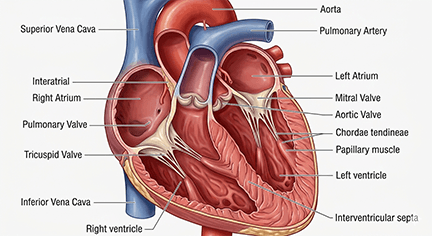
Mitral valve disorders, including mitral regurgitation, mitral stenosis, and mitral incompetency, represent significant challenges in the management of valvular heart disease. From a homoeopathic standpoint, Arsenicum Album, particularly in the 6 Ch potency, has been observed to offer valuable support in such conditions. Its sphere of action extends to the circulatory system, where it addresses symptoms of dyspnoea, palpitations, restlessness, and anxiety, often accompanying valvular dysfunction. Patients presenting with progressive weakness, nocturnal aggravation of breathlessness, and marked fear of impending death frequently align with the Arsenicum Album picture. In mitral regurgitation, where the backward flow of blood compromises cardiac efficiency, this remedy is considered to provide symptomatic relief, improve vitality, and support the patient’s overall resilience. While not a substitute for conventional cardiological interventions, its role in complementary care highlights the homoeopathic emphasis on individualized prescribing and holistic management.

HHomeoEra Journal Editorial Team
4m1228
Uterine Fibroids: Understanding the Silent Growths
Chronic Diseases

Uterine Fibroids: Understanding the Silent Growths

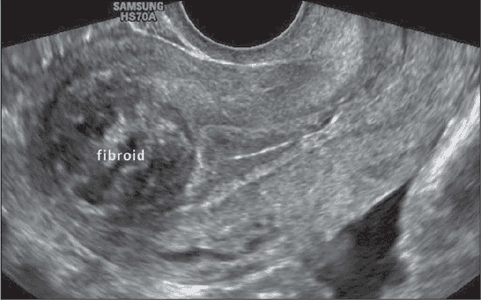
Uterine fibroids are noncancerous growths of the uterus that often appear during a woman’s reproductive years. Although benign, they can significantly affect quality of life, causing symptoms such as heavy menstrual bleeding, irregular cycles, a sense of weight or pressure in the uterine region, pelvic pain, and persistent discomfort. From the perspective of homoeopathic philosophy, uterine fibroids are considered to have a sycotic origin—linked to the gonorrhoeal miasma. This origin may be either acquired or congenital, reflecting the deeper constitutional influences that shape disease expression.

HHomeoEra Journal Editorial Team
4m1440
Heel Pain: A Disorder of Modern Lifestyle Rooted in the Sycotic Miasm
General Homeopathy

Heel Pain: A Disorder of Modern Lifestyle Rooted in the Sycotic Miasm

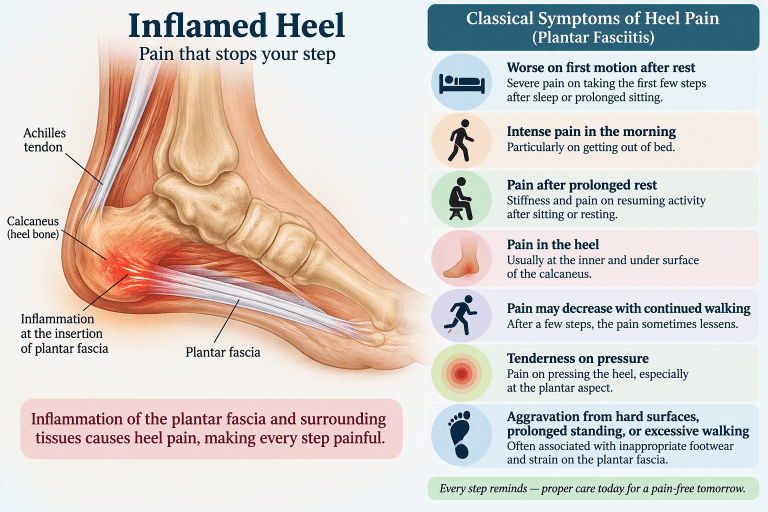
Heel pain is a common complaint often attributed to faulty lifestyle habits such as prolonged standing, obesity, sedentary living, and inappropriate footwear. Consequently, conventional treatment mainly focuses on lifestyle modification and footwear correction. However, the condition is not always as simple as it appears. Heel pain is essentially a rheumatic affection of the calcaneus and its surrounding tissues. Its characteristic aggravation on first motion after rest, especially on rising in the morning, strongly suggests Rhus toxicodendron. Yet, despite this apparent similarity, Rhus tox frequently fails to produce the desired curative effect. This illustrates the teaching of Aphorism 7 of the Organon, that symptoms are merely the outward manifestations of internal disease and do not always reveal the true derangement of the vital force. Therefore, successful treatment of heel pain often requires looking beyond the symptom picture to the deeper constitutional and miasmatic background of the case

HHomeoEra Journal Editorial Team
3m1

Comments (0)

Sign in or sign up to join the discussion

No comments yet. Be the first to share your thoughts!

Newsletter

Stay Updated with Latest Research

Get weekly digests of new articles, case studies, and homeopathic insights delivered to your inbox

By subscribing, you agree to our Privacy Policy. Unsubscribe anytime.