
Medical Blog Articles
Explore evidence-based homeopathic insights and articles from our expert practitioners
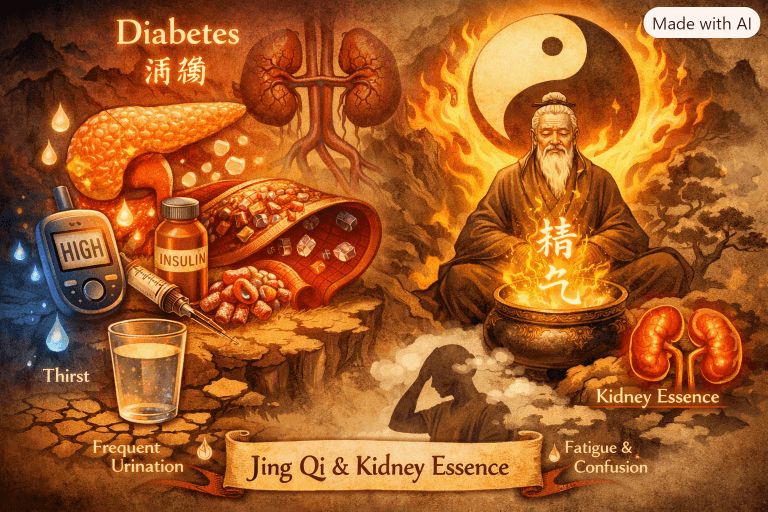
Diabetes Mellitus: Etiology, Clinical Features, and Homoeopathic Therapeutics.
Diabetes mellitus is a chronic metabolic disorder characterized by persistent hyperglycemia and gradual onset of complications such as retinopathy, nephropathy, neuropathy, and ketoacidosis. Despite significant advances in medical science, its exact etiology remains uncertain. Modern research emphasizes the roles of insulin and renal function in maintaining glucose homeostasis, while Traditional Chinese Medicine (TCM) interprets diabetes as a manifestation of Jing (Essence) and Qi deficiency within the genito‑urinary system. In TCM philosophy, Jing represents the balanced integration of Yin and Yang energies, serving as the foundation of vitality, growth, and longevity. Its depletion weakens Kidney Qi, leading to systemic dysfunctions that parallel diabetic manifestations such as fatigue, excessive hunger, and frequent urination. This energetic debility reflects a subtle but crucial link between kidney vitality and metabolic regulation — a concept that resonates with Hahnemann’s homoeopathic view of disease as a disturbance of the vital force. Thus, diabetes mellitus may be understood as both a biochemical disorder and an energetic imbalance, where the decline of Jing‑Qi bridges the physiological and philosophical dimensions of health.

Group 17 Elements and Thyroid Disorders: Physiological, Pathological, and Therapeutic Perspectives
Halogens play a central role in thyroid physiology due to their shared electronic configuration, which resonates with thyroid tissue and influences both disease and cure. In homeopathy, each halogen has distinct therapeutic applications: * Fluorine: Remedies like Fluoric acid and Calcarea fluorica address hyperthyroidism with tissue destruction and hypothyroidism with glandular hardness. * Chlorine: Compounds such as Kali muriaticum and Natrum muriaticum are used across varied thyroid disorders. * Bromine: Preparations like Kali bromatum and Ammonium bromatum target specific thyroid conditions. * Iodine: Essential for hormone synthesis, it remains vital in both conventional and homeopathic practice. * Astatine: Not used clinically due to radioactivity, but research suggests potential in malignant thyroid disease. * Additionally, animal and plant remedies (Sepia, Spongia) embody halogen resonance through their marine constitution, further harmonizing thyroid function
Stay Updated with Latest Research
Get weekly digests of new articles, case studies, and homeopathic insights delivered to your inbox
By subscribing, you agree to our Privacy Policy. Unsubscribe anytime.