
Deals with Chronic diseases
Practicing at:Hahnemann Homoeo clinic
About Dr. Habib
Dr. Habib khan practising Homoeopathy in Gwalior, Madya Pradesh last from 25 years. He is a single remedy Practicnor. trusted by Thousand. Clinic address: 203 cosmo business, park, new city centre Gwalior,
- Total Articles
- 30
- Blog Posts
- 10
- Case Studies
- 20
- Total Views
- 36,359
Visit the Clinic
Hahnemann Homoeo clinic
Gwalior, Madhya Pradesh, India
Clinic Photos
 Blog
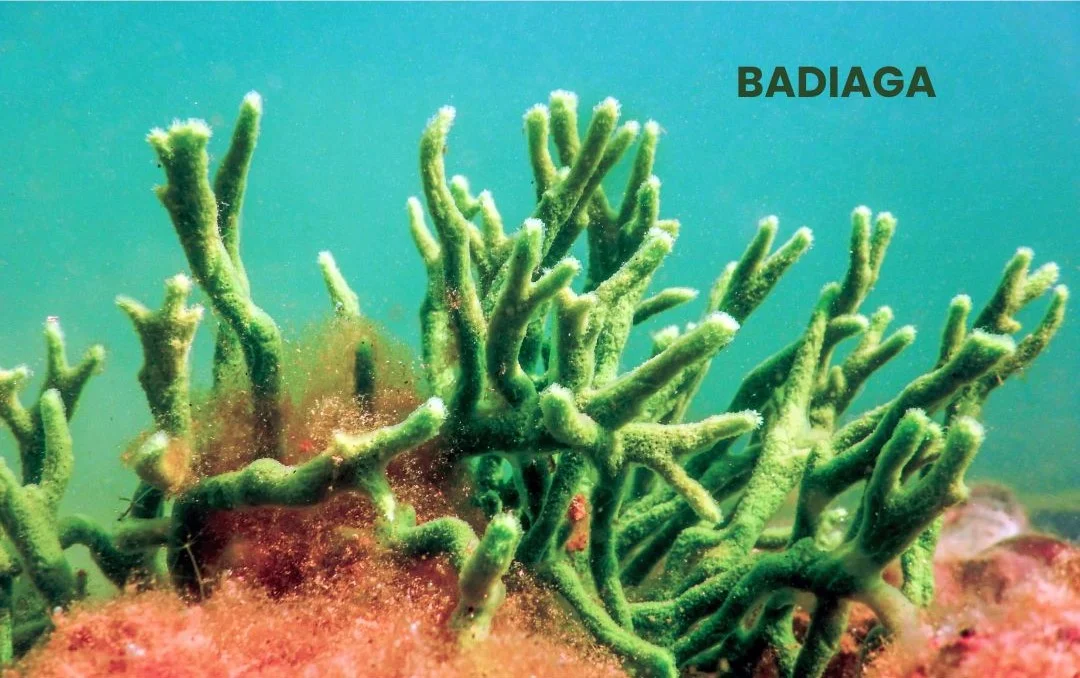
Badiaga in Clinical Practice: Addressing Headache and Fever Accompanied by Eye Pain.
Every medicine in homoeopathic proving yields numerous symptoms, yet their value is unequal. Some are decisive and characteristic, others incidental. A symptom may be highly significant in one patient but negligible in another; the physician’s art lies in discerning those that truly individualize the case. Proving itself is not the isolated action of the drug, but the dynamic interplay between substance and prover’s constitution, producing a composite symptom‑picture. Because medicines manifest differently in different provers, separate evaluation in male and female subjects is essential, as constitutional distinctions influence expression. In practice, the same principle applies: a symptom may carry different weight in male and female patients. Hence arises the gradation of symptoms—highest rank to those repeatedly observed and clinically confirmed; lower grades to those fewer but consistent; the least to occasional or weakly verified signs. Beyond proving‑derived symptoms stand clinical symptoms: not elicited in provings, but repeatedly cured in practice. Through therapeutic verification they acquire practical value, enriching the materia medica. Thus, homoeopathy rests upon both provings and bedside confirmation, weaving together drug action and clinical experience into a reliable portrait of each remedy.
 Blog
Teething Troubles in Children: Etiology, Consequences, and Homoeopathic Therapeutics.
Teething, though a physiological milestone, often becomes a source of systemic disturbance in susceptible children. The etiology lies not in infection but in the irritability of the gums and the heightened excitability of the nervous system, which in certain constitutions manifests as diarrhoea, fever, or even convulsions. The consequences extend beyond local discomfort, revealing deeper constitutional susceptibilities and miasmatic tendencies. Homoeopathy interprets these troubles as expressions of the disturbed vital force and prescribes remedies that correspond to the child’s individuality. Chamomilla suits the irritable, inconsolable child; Belladonna addresses febrile states with cerebral irritation; Calcarea carbonica aids delayed dentition in flabby, perspiring children; and Silicea supports delicate constitutions with poor assimilation. Thus, homoeopathic therapeutics aim not merely at palliation but at harmonizing the child’s systemic balance during this natural developmental passage
 Blog
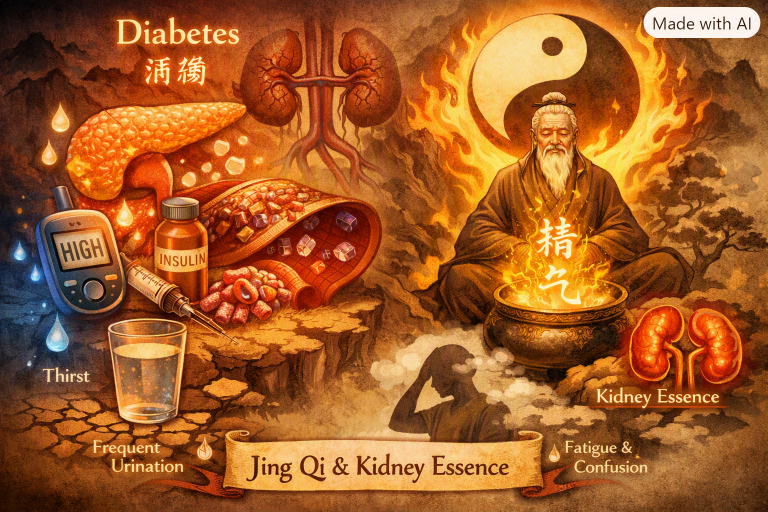
Diabetes Mellitus: Etiology, Clinical Features, and Homoeopathic Therapeutics.
Diabetes mellitus is a chronic metabolic disorder characterized by persistent hyperglycemia and gradual onset of complications such as retinopathy, nephropathy, neuropathy, and ketoacidosis. Despite significant advances in medical science, its exact etiology remains uncertain. Modern research emphasizes the roles of insulin and renal function in maintaining glucose homeostasis, while Traditional Chinese Medicine (TCM) interprets diabetes as a manifestation of Jing (Essence) and Qi deficiency within the genito‑urinary system. In TCM philosophy, Jing represents the balanced integration of Yin and Yang energies, serving as the foundation of vitality, growth, and longevity. Its depletion weakens Kidney Qi, leading to systemic dysfunctions that parallel diabetic manifestations such as fatigue, excessive hunger, and frequent urination. This energetic debility reflects a subtle but crucial link between kidney vitality and metabolic regulation — a concept that resonates with Hahnemann’s homoeopathic view of disease as a disturbance of the vital force. Thus, diabetes mellitus may be understood as both a biochemical disorder and an energetic imbalance, where the decline of Jing‑Qi bridges the physiological and philosophical dimensions of health.
 Blog
Dynamic Disease Unveiled: A Chronic Case of G.I.T. tract Cured by Arsenic Album
Disease is the dynamic derangement of the Vital Force — a timeless statement well evidenced by the study of this case. On 10/09/2023, I received a 22‑year‑old male patient suffering from persistent vomiting for the past 15 days, accompanied by tenderness in the lower abdominal region. General weakness was the distinguishing feature of the case. On investigation, a history of abdominal pain was revealed, which had begun gradually, worsened over time, and eventually culminated in vomiting — a condition that had first appeared 15 years earlier.
 Blog
From Phosphorus to Bismuth: Comparative Utility of Group 16 Elements in Gastritis Management.
In homeopathy, disease is understood as a disturbance of the vital force. This disturbance is not material but energetic, and therefore can only be corrected by another dynamic influence—what Hahnemann termed the medicinal force. Thus, both disease and cure operate on the same energetic plane. A noteworthy observation is that elements belonging to the same group in the periodic table often display similar therapeutic effects. This similarity extends beyond chemistry into the dynamic sphere of homeopathy. For instance, the Group 17 elements (Fluorine, Chlorine, Bromine, Iodine), known as halogens, act directly on the thyroid gland and are frequently indicated in thyroid disorders. In parallel, the Group 15 elements (Nitrogen, Phosphorus, Arsenic, Antimony, Bismuth) exert a marked influence on the stomach, particularly in conditions such as gastritis. Thus, the periodic table serves not only as a chemical classification but also as a therapeutic guide, helping physicians select remedies whose energetic affinities resonate with specific organs and pathological states. This reflects a deeper harmony between nature’s design and healing
 Blog
Group 17 Elements and Thyroid Disorders: Physiological, Pathological, and Therapeutic Perspectives
Halogens play a central role in thyroid physiology due to their shared electronic configuration, which resonates with thyroid tissue and influences both disease and cure. In homeopathy, each halogen has distinct therapeutic applications: * Fluorine: Remedies like Fluoric acid and Calcarea fluorica address hyperthyroidism with tissue destruction and hypothyroidism with glandular hardness. * Chlorine: Compounds such as Kali muriaticum and Natrum muriaticum are used across varied thyroid disorders. * Bromine: Preparations like Kali bromatum and Ammonium bromatum target specific thyroid conditions. * Iodine: Essential for hormone synthesis, it remains vital in both conventional and homeopathic practice. * Astatine: Not used clinically due to radioactivity, but research suggests potential in malignant thyroid disease. * Additionally, animal and plant remedies (Sepia, Spongia) embody halogen resonance through their marine constitution, further harmonizing thyroid function
 Blog
Redirect of vital force: post-operative diarrhoea Cured by Benzoic acid.
A female patient with a long-standing history of knee joint pain, unrelieved by homoeopathic treatment, ultimately underwent surgical intervention. Post-operatively, she developed persistent diarrhoea, with a striking modality of aggravation between 4–8 p.m. This new symptom complex was accompanied by the formation of a bunion on the right toe joint. The emergence of these fresh symptoms indicated a redirection of the vital force, manifesting in a new pathological expression. Careful analysis of the modalities and concomitants led to the prescription of Benzoic acid 200, administered as a single dose. The patient responded with complete recovery, confirming the appropriateness of the remedy selection. This case illustrates the dynamic nature of symptom evolution following surgical intervention and highlights the importance of perceiving the altered flow of vitality in remedy choice.
 Blog
Psora: Sphere of the action of latent Psora.
To become an eminent physician in the field of Homoeopathy and to treat chronic diseases successfully, it is essential for every practitioner to undertake a thorough study of chronic miasms. These underlying disease tendencies, first described by Dr. Samuel Hahnemann, form the foundation of understanding long-standing and recurring illnesses. Without grasping the nature, origin, and manifestations of miasms such as Psora, Sycosis, and Syphilis, a physician cannot fully comprehend the root causes of chronic ailments, nor can they prescribe remedies with lasting curative effect
 Blog
Psora: The Hidden Soil of Chronic Disease.
Psora is recognized in homoeopathy as the most ancient and fundamental chronic miasm, often described as the mother of all disease. It is considered the hidden soil from which chronic illness springs, shaping the destiny of mankind across every dimension—physical, mental, and spiritual. Without understanding Psora, no homoeopathic physician can truly grasp the roots of chronic disease. It is the ever‑present background, the silent force that supports and magnifies the destructive tendencies of Sycosis and Syphilis. Psora’s influence extends in all directions, affecting humanity in countless ways and making its study essential for every serious student of homoeopathy.
 Blog
Miasm: Understanding the Invisible Threads of Chronic Illness.
Selection of medicine in homeopathic practice is often a challenging task. A thorough understanding of miasm makes this process easier; without it, prescribing is like hunting in the dark. In every case, numerous symptoms present themselves, but not all symptoms carry equal value. Hence, the valuation of symptoms becomes essential. Understanding miasm allows us to identify the true enemy of humanity—the underlying cause behind disease. Miasm reveals the real etiology of what we call illness. For this reason, it is imperative for every physician to grasp the concept of miasm, as it is the key to successful treatment.
Contact Dr. Habib khan
Have a question or need professional advice? Send a direct inquiry to Dr. Habib.