On deeper investigation, I found that prior to receiving conventional treatment for his skin condition, he had been a hot patient. However, after the suppression of his skin disease through allopathic measures, his constitution had shifted, and he had now become chilly
Presenting complaints:
1. Profuse bleeding and pain after passing stool.
2. Patients feel sleepiness and nausea after passing blood per anus.
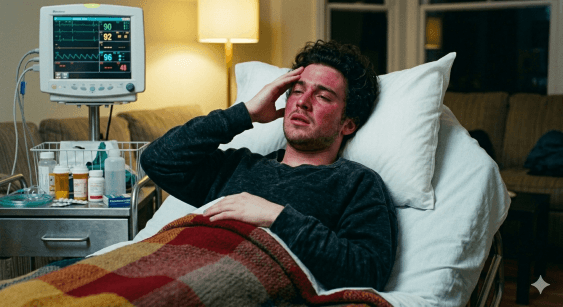
3. Patient was extremely weak looking like corps.
Medical history:
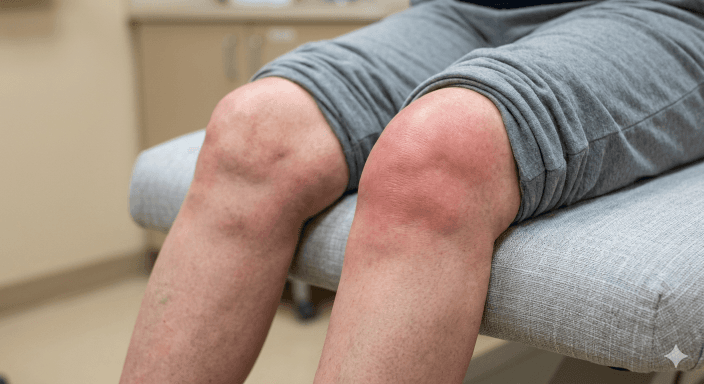
He has the history of skin disease that worse in summer and spontaneously disappears on approaching the winter season. skin almost dry, perspiration entirely absent. this skin disease treated with Allopathy and external medication and the complaint of Rectal haemorrhage setup after receiving the treatment.
Prescription:
Outcome:
When the patient returned to my clinic the following week, he appeared healthy and rejuvenated. I asked him about the bleeding, and he replied: “After taking the first dose, the bleeding never occurred again.”
Discussion:
This case illustrates the profound efficacy of Homoeopathic medicine when prescribed on the basis of true totality and constitutional change. The patient had undergone prolonged allopathic treatment, which not only failed to uncover the root cause of his rectal haemorrhage but also altered his constitutional state—from being a hot patient prior to suppression of his skin disease, to becoming a chilly patient thereafter. This transformation was the key to unlocking the case.
The prescription of Mezereum 200, chosen without repertorial aid but through careful observation and artistic discernment, demonstrates the importance of individualized treatment. The rapid cessation of bleeding after a single dose highlights the dynamic action of the remedy upon the vital force. Such swift and complete recovery, without recurrence, underscores the superiority of Homoeopathy in addressing both the physical pathology and the deeper constitutional imbalance.
Philosophically, this case reaffirms Hahnemann’s principle that suppression of external manifestations (such as skin eruptions) can drive disease inward, leading to more serious internal affections. The shift from a hot to a chilly constitution was not merely a symptom but a reflection of the disturbed vital force. Recognizing this change was pivotal in remedy selection.
Clinically, the case emphasizes:
1. The necessity of observing constitutional shifts after suppression.
2. The value of prescribing based on the changed totality, not the past state.
3. The artistic dimension of Homoeopathy, where deep insight sometimes surpasses mechanical repertorial analysis.
Note: -This case stands as a testimony to the curative power of Homoeopathy when applied with philosophical understanding, clinical acumen, and faith in the law of similar.