Case Narrative: Psoriasis with Associated Ureteric Calculus:
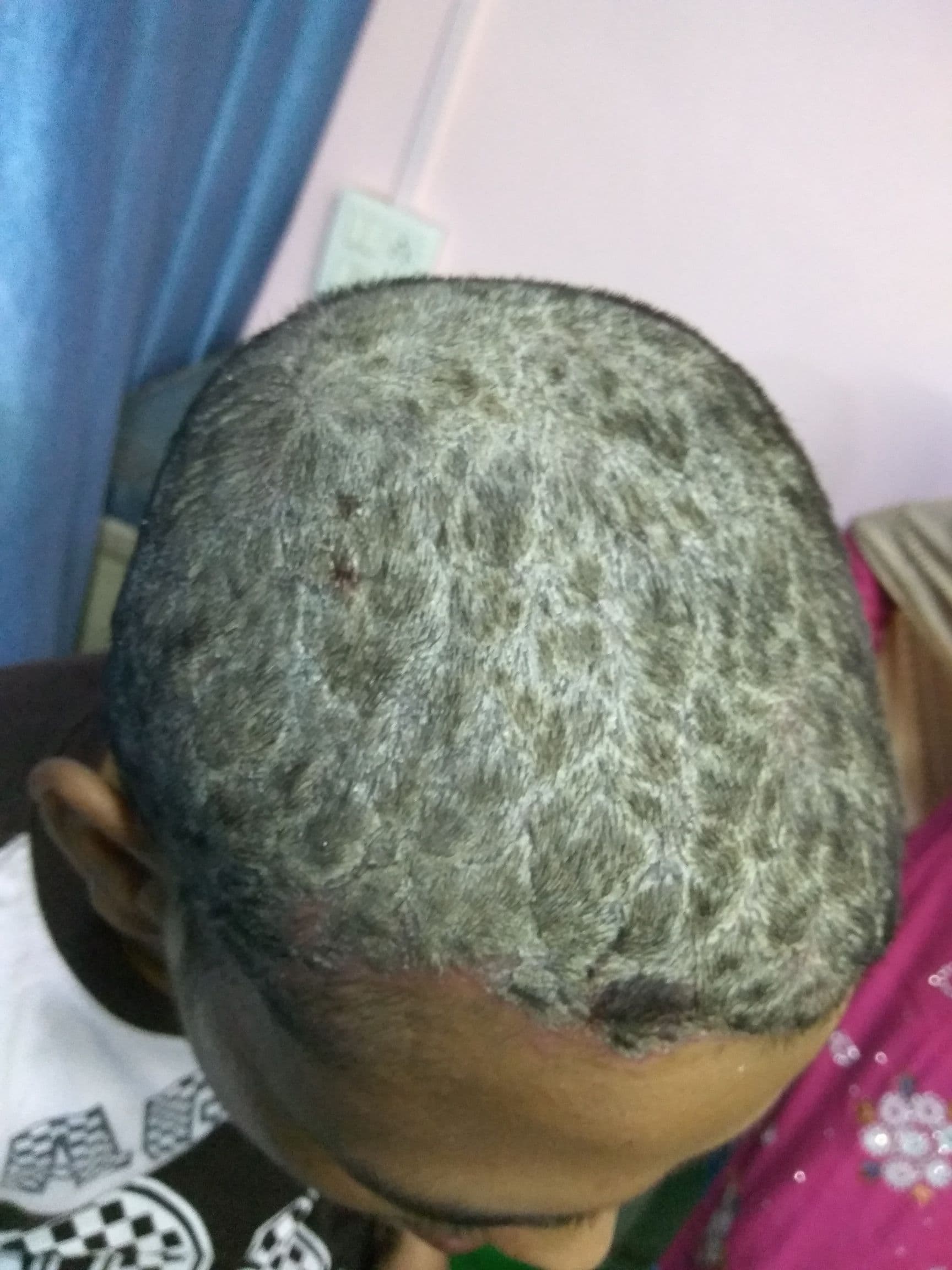
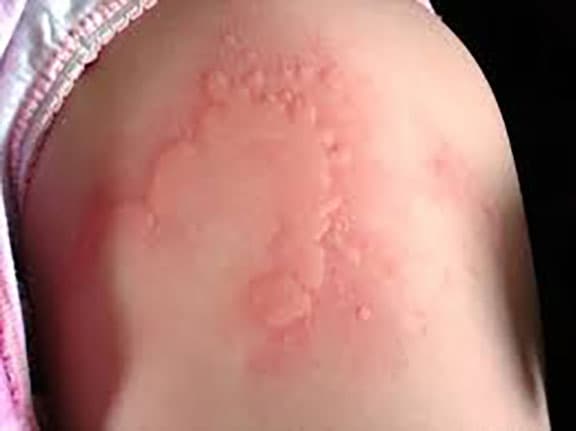
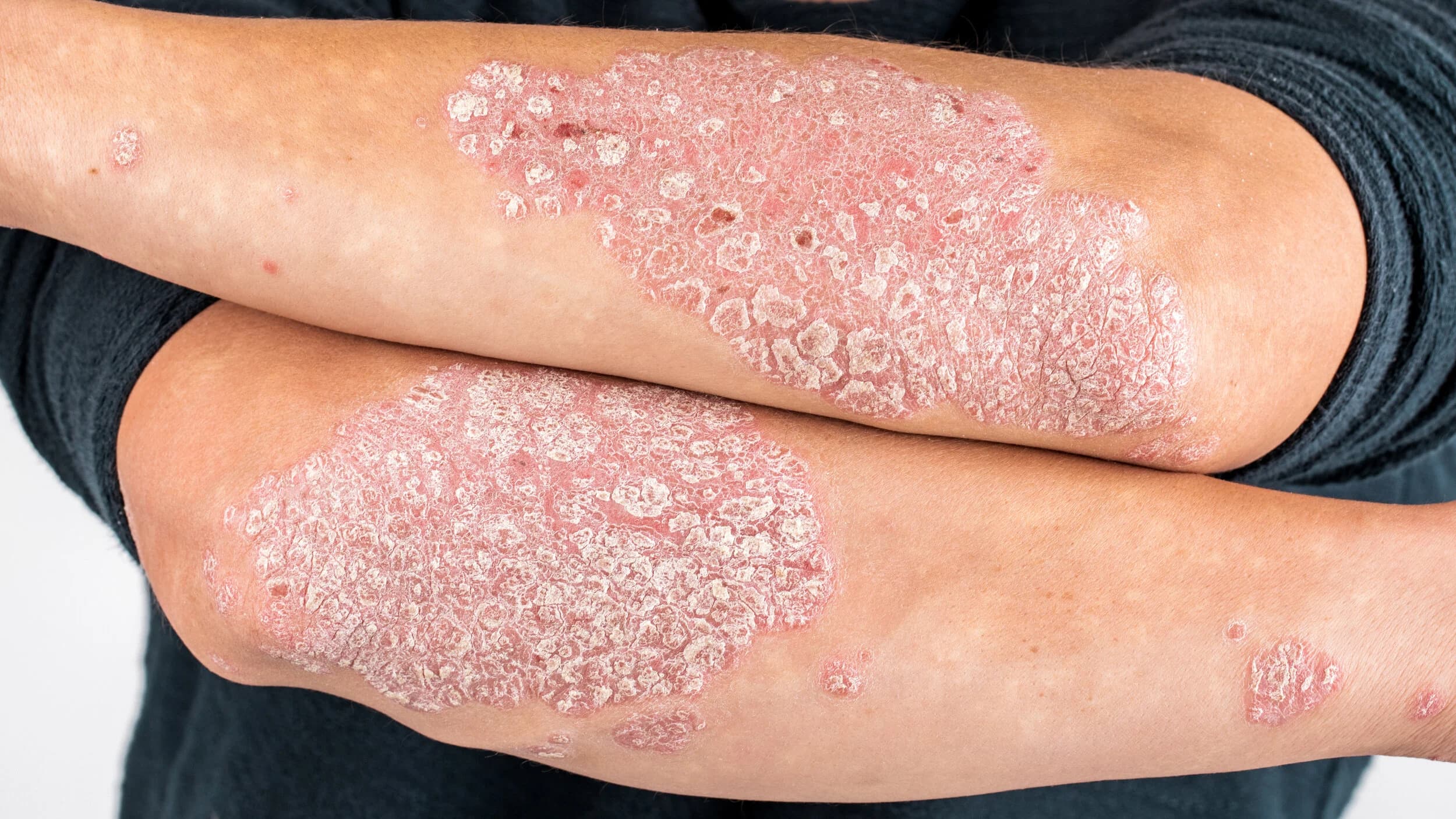
This case concerns a patient who presented with psoriatic skin eruptions that initially began on the scalp and gradually spread to involve the entire body. The eruptions were accompanied by intense itching, which became particularly troublesome during the summer season and in warm rooms, while exposure to cold air brought relief. Over time, the progressive worsening of the skin condition disturbed sleep and daily routine, leaving the patient physically and mentally exhausted.
Alongside the dermatological complaints, the patient developed urinary difficulties. A right ureteric calculus measuring 8.5 mm was diagnosed, producing burning during urination and obstructed urinary flow. These urinary symptoms added further discomfort to the already distressing skin condition.
Past Medical History and Generalities:
No major systemic illnesses were reported apart from the urinary calculus. The patient’s sleep was disturbed due to heat, with dreams present. Appetite remained normal, thirst was moderate, perspiration scanty, and stool regular. Mentally, the patient was reserved and indisposed to talk, reflecting the psychological burden of chronic suffering.
Prescription and Progress:
On 20/09/2017, the patient was prescribed Kalium bichromicum 1M as the constitutional remedy. Supportive medicines including Seclec 30, Berberis vulgaris Q, Sulphur 200, and Rubrum 30 were administered during follow‑up visits.
Over subsequent months, a gradual improvement was observed in both the itching and scaling of psoriatic lesions, as well as in the urinary complaints. By mid‑2018, there was marked subsidence of the psoriatic eruptions and significant relief in urinary symptoms. The patient’s sleep improved, and daily routine was restored. Importantly, even after nearly ten years of follow‑up, the case has not relapsed.
Reflections:
This case illustrates the importance of individualization in homoeopathic practice. The peculiar modality—aggravation from heat, relief from cold air—guided the prescription and proved decisive in the curative outcome. The sustained remission underscores the deep constitutional action of Kalium bichromicum, while supportive remedies complemented the healing process.
Beyond clinical relief, the case demonstrates how homoeopathy can restore not only physical health but also mental composure and social confidence, enabling the patient to resume his laborious occupation with renewed vitality.
Conclusion:
This case highlights the individualized prescription of Kalium bichromicum 1M, which proved pivotal in achieving long‑term relief in a chronic case of psoriasis complicated by ureteric calculus. Careful case‑taking, recognition of characteristic modalities, and judicious remedy selection were central to the successful outcome. The sustained remission over a decade underscores the enduring curative potential of homoeopathy when applied with precision.