HomeoEra
Back to Cases
Skin DisordersCase Study

Rhus tox in Segmental Vitiligo: Localized Depigmented Lesions in a Pediatric Patient.

Vitiligo in pediatric patients often presents as localized depigmented patches with preserved sensation, occasionally accompanied by mild itching. In this case, a child presented with a small, depigmented area around the mouth, with normal tactile response and slight pruritus. The remedy Rhus tox was prescribed for one month. On follow‑up after three months, the lesion had to reduced up to great extent, demonstrating the curative potential of homoeopathic intervention in segmental vitiligo. This outcome highlights the importance of individualized remedy selection and supports the role of Rhus tox in cases where depigmentation is accompanied by itching and localized distribution.

H

Deals with Chronic diseases

Updated 6 min read195 views
Rhus tox in Segmental Vitiligo: Localized Depigmented Lesions in a Pediatric Patient.
Case Summary
Patient: 11 Years, male
Diagnosis:

Vitiligo

Chief Complaints:

Depigmented Area Around the Mouth with Normal Sensation and Mild Itching (Vitiligo)

Treatment:

Rx. First prescription - Rhus tox - 30 (Repeated dose)

Outcome:

The patient returned to the clinic after three months. Although the medicine had been prescribed for one month, the small, depigmented spot around the mouth had completely disappeared under the effect of the homoeopathic remedy Rhus tox.

Vitiligo a brief introduction:

Vitiligo is a chronic skin condition characterized by the loss of pigmentation due to the destruction or dysfunction of melanocytes, the cells responsible for producing melanin. It manifests as well‑defined depigmented patches that may appear on any part of the body, often symmetrically. While the condition is not physically harmful, it carries significant psychosocial impact, particularly in pediatric and adolescent patients. The exact cause remains multifactorial, involving genetic predisposition, autoimmune mechanisms, and environmental triggers. Early recognition and individualized therapeutic intervention are essential to support both clinical outcomes and patient confidence.

Vitiligo types:

Vitiligo is of two types, Segmented and Non-segmented. 

1. Segmented Vitiligo:  
1. Distribution: Affects only one side of the body or a localized area (e.g., face, hands).
2. Onset: Often appears in childhood or adolescence.
3. Progression: Rapid early spread, then stabilizes. 
4. Prevalence: Accounts for about 10% of cases.

2. Non-segmented vitiligo: 

This group includes several subtypes. 

1. Generalized

a. Most frequent form.

b. Depigmented patches appear symmetrically across multiple body sites.

2. Acrofacial

a. Affects distal extremities (fingers, toes) and facial areas (around mouth, eyes).

3. Mucosal

a. Involves mucous membranes such as lips, mouth, and genitals.

4. Focal

a. Limited to one small area; does not spread significantly within 1–2 years.

5. Trichrome

a. Shows a “bullseye” pattern: white center, lighter surrounding zone, and normal skin outside.

6. Universal

a. Rare, extensive form affecting >80% of body surface.

Most common site of vitiligo:

1. Face – Especially around the mouth, eyes, and nose. 
2. Hands and Fingers – Distal extremities are frequently affected.
3. Feet and Toes – Another common acrofacial site. 
4. Genital and Mucosal Areas – Lips and mucous membranes often show depigmentation. 
5. Flexural Areas – Such as axillae and groin. 
6. Scalp and Hair – May lead to localized patches of white hair (poliosis)

Case description:

On the warm morning of June 25, 2026, an eleven-year-old male patient sat quietly in the consultation room, accompanied by his parents. The clinical setting was calm, but the young boy’s physical profile painted a complex, multi-layered picture of constitutional distress that called for a deep, individualised homeopathic understanding.

Initial concern: 
The primary concern—and the chief distress for the family—was the appearance of irregular white patches around the patient's mouth. Present for the last six months, these depigmented lesions retained normal sensation. The family had previously tried topical external ointments, but the condition remained stubbornly unchanged.

Upon closer examination of his oral cavity, there was a pronounced tendency toward recurring mouth ulcers, accompanied by noticeably hypertrophied taste buds on the tongue. Throughout the intake, the patient expressed a strong, distinct craving for icewater or chilled water, especially during warm periods or hot stages

Beyond the dermatological and oral symptoms, the patient's respiratory and neurological profiles revealed additional sensitivities.

Allergic Rhinitis: Every morning, and whenever exposed even slightly to dust, he suffered from violent attack of sneezing.

Neurological Reaction: He experienced recurring, intense headaches that frequently culminated in vomiting.

His medical history noted early childhood complications, though his birth had been normal, his infant feeding uncomplicated, and his standard childhood vaccinations completed. While generalities like sleep pattern, appetite, and thermal reaction remained unspecified or ambiguous during this initial visit, his marked preference for cold water in warm states provided a vital constitutional clue.

Treatment Narrative (first visit on date June 25, 2026)

Evaluating the totality of symptoms—particularly the characteristic mucosal alterations, hypertrophied tongue papillae, skin affection, and underlying systemic sensitivity—the physician individualised the case and prescribed Rhus toxicodendron 30, alter every two-hour 4 time in a day. for a one-month duration, alongside supportive regimen guidance.

Follow-Up Visit: September 19, 2026:

Nearly three months later, the patient returned to the clinic for reassessment. The physician reviewed his clinical trajectory, noting improvements in the oral mucosa, the stability of the perioral skin patches, and the absence of morning allergic paroxysms and sick headaches. All previous symptoms—including allergic rhinitis—had resolved, and the vitiligo had markedly regressed. 

Based on the ongoing assessment of his constitutional reaction and symptomatic progress, the remedy Rhus toxicodendron 30 was maintained for an additional one-month course to continue encouraging deep-seated systemic healing and cutaneous restoration.

Case discussion:

During my clinical practice, I have consistently observed a profound connection between allergic disorders and skin diseases. The repeated suppression of cutaneous manifestations—whether through topical applications or other external measures—often predisposes individuals to systemic allergic tendencies. Once a patient develops allergic susceptibility, the risk of renal failure increases significantly, as the compromised immune system struggles to maintain equilibrium. Moreover, when simple skin conditions are forcibly suppressed, the disturbance frequently manifests in deeper layers of the organism, producing conditions such as vitiligo. 

This clinical observation highlights the dynamic interplay between the skin, immune system, and vital organs. The skin, being a primary channel of expression for internal imbalance, should not be treated merely as a superficial structure. Suppression of eruptions interrupts the natural outlet of disease, driving the morbid process inward. Allergic disorders, therefore, can be understood as a consequence of misdirected treatment strategies that fail to respect the body’s natural defense mechanisms.

Renal failure in allergic patients may be explained by the cumulative burden placed on the excretory system. When the skin is denied its role as a channel of elimination, toxins and immune complexes are redirected toward vital organs such as the kidneys, leading to progressive dysfunction. Vitiligo, similarly, represents a deeper derangement of the vital force, where suppression of minor skin ailments distorts pigmentation pathways and produces chronic, often irreversible changes.

From a homoeopathic perspective, these phenomena emphasize the importance of treating disease at its root rather than silencing its external manifestations. The physician must recognize that every skin eruption is not merely a cosmetic inconvenience but a vital signal of internal imbalance. Respecting this principle safeguards patients from the dangerous trajectory of allergy, renal compromise, and degenerative conditions like vitiligo.

👉"This is an ongoing case. I am currently managing the case and will share further developments and follow-up results as they become available."

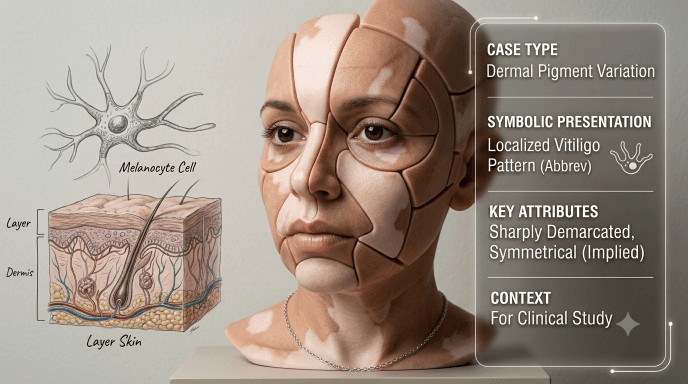
📸Case Images

Date 25/06/2026 (Vitiligo)
1 / 2

Date 25/06/2026 (Vitiligo)

Have a Question?
Ask Habib khan about "Rhus tox in Segmental Vitiligo: Localized Depigmented Lesions in a Pediatric Patient." and get a personalized response directly to your email.

0/500 characters

0 characters (minimum 10 required)

🔒 Privacy Notice: Your information will only be used to respond to your query and won't be shared with third parties.

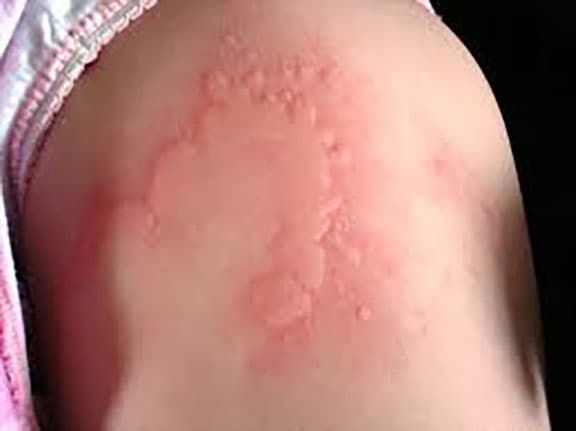
Urticaria a long-standing case: with the history of epilepsy cured by Pulsatilla.
Skin Disorders

Urticaria a long-standing case: with the history of epilepsy cured by Pulsatilla.

Dr. Hahnemann’s timeless statement, “Treat the sick, not the disease,” finds repeated verification in the hands of a true physician. This case is a living example. A nine‑year‑old boy had been suffering from urticaria for one year, with no relief despite treatment by several allopathic physicians. One of my previously cured patients, who had experienced similar trouble, referred the child’s mother to my clinic. On examination, the child presented with marked evening aggravation, skin slightly warm to touch with intense itching, and ravenous hunger aggravated by fatty food. He also experienced vertigo on exposure to sun heat. A deeper inquiry revealed an active history of epilepsy, previously treated with allopathy. Recognizing the individuality of the case, I prescribed Pulsatilla 30 in repeated doses. Within a 15‑day course of treatment, the patient was completely cured. This outcome underscores the principle of individualization in homeopathy and demonstrates how a carefully chosen remedy can restore health where other systems have failed.

HHabib khan
2m1281
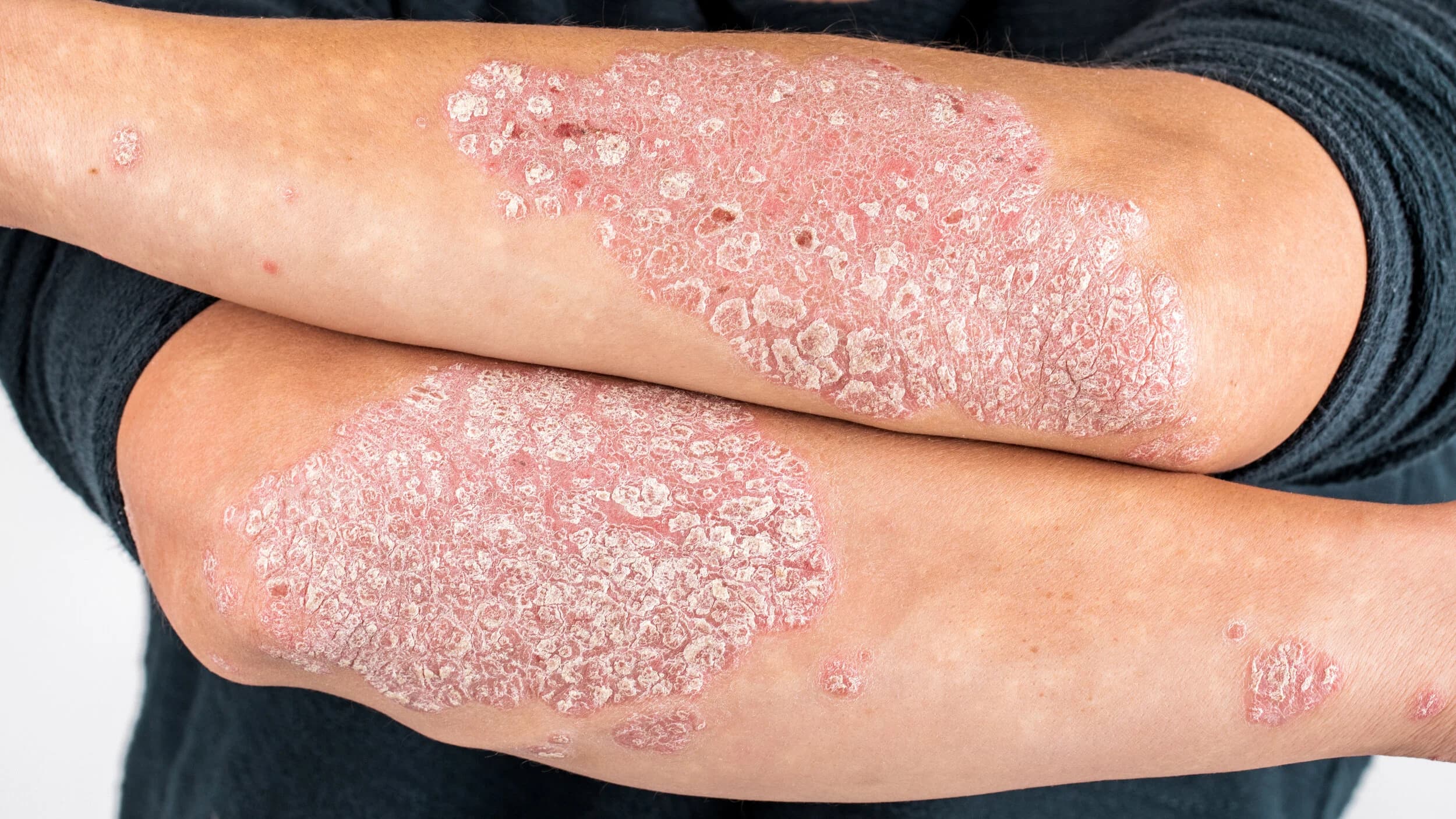
Psoriasis Remission Achieved Through Single-Dose Kalium Bichromicum 1M
Skin Disorders

Psoriasis Remission Achieved Through Single-Dose Kalium Bichromicum 1M

A 19‑year‑old male laborer presented on 20/09/2017 with extensive psoriatic eruptions. The condition had its origin on the scalp, gradually spreading to involve the trunk, limbs, and eventually the entire body surface. The eruptions were characterized by thick scaling and intolerable itching, which became aggravated in summer and in warm, confined rooms, yet showed marked amelioration in open air and exposure to cold breeze. This peculiar modality—worsening from heat and relief from cold—formed a striking keynote in the case. The patient’s mental state was equally noteworthy. He was reserved, taciturn, and withdrawn, avoiding conversation and social interaction. His sleep was disturbed by itching and heat, leaving him fatigued during work hours. Despite his laborious occupation, his appetite remained normal, thirst moderate, perspiration scanty, and stool regular. These generalities provided a balanced picture of his constitution. In addition to dermatological suffering, the patient reported urinary complaints. A right ureteric calculus measuring 8.5 mm had been diagnosed, producing burning pain during urination, obstructed urinary flow, and occasional colicky discomfort. The coexistence of a chronic skin disorder with a painful urinary condition compounded his distress, both physically and emotionally.

HHabib khan
3m2153
Pulsatilla in a Case of Excessive Gas Formation in the Stomach
Gastro-intestinal disorder

Pulsatilla in a Case of Excessive Gas Formation in the Stomach

Generally, it is believed that Pulsatilla is only a medicine for women. However, this is a common misconception. It is true that Pulsatilla has provided relief to many women, and it suits complaints occurring in women that are aggravated by pregnancy. Yet, its therapeutic sphere is not confined to female constitutions alone. The remedy acts universally, provided the prescription is guided by the totality of symptoms rather than by gender stereotypes

HHomeoEra Journal Editorial Team
3m269
Aphorism 6 in Practice: The Physician Beyond Prejudice.
Gastro-intestinal disorder

Aphorism 6 in Practice: The Physician Beyond Prejudice.

A 40‑year‑old female presented with a constellation of chronic complaints reflecting both physical discomfort and constitutional imbalance. Urinary symptoms were marked by interrupted, scanty flow with burning, temporarily relieved by local oiling. Abdominal tympanites with frequent eructations failed to provide relief, while general soreness, laziness, and constipation added to her burden. Hair fall was noted, along with numbness and restlessness in the extremities (ameliorated by cold drinks), weakness and pain in the lower limbs, and monthly headaches beginning at the nape and settling at the vertex. Medical history revealed a tendency toward typhoid fever. Generalities included alternating sleep, diminished appetite and thirst, craving for salt, aggravation from food, and sensitivity to both heat and cold. The peculiar modalities — relief by oiling and cold drinks — provided key individualizing features for remedy selection.

HHomeoEra Journal Editorial Team
4m224

Comments (0)

Sign in or sign up to join the discussion

No comments yet. Be the first to share your thoughts!

Newsletter

Stay Updated with Latest Research

Get weekly digests of new articles, case studies, and homeopathic insights delivered to your inbox

By subscribing, you agree to our Privacy Policy. Unsubscribe anytime.